 : +91 1143517222 / 9953815574
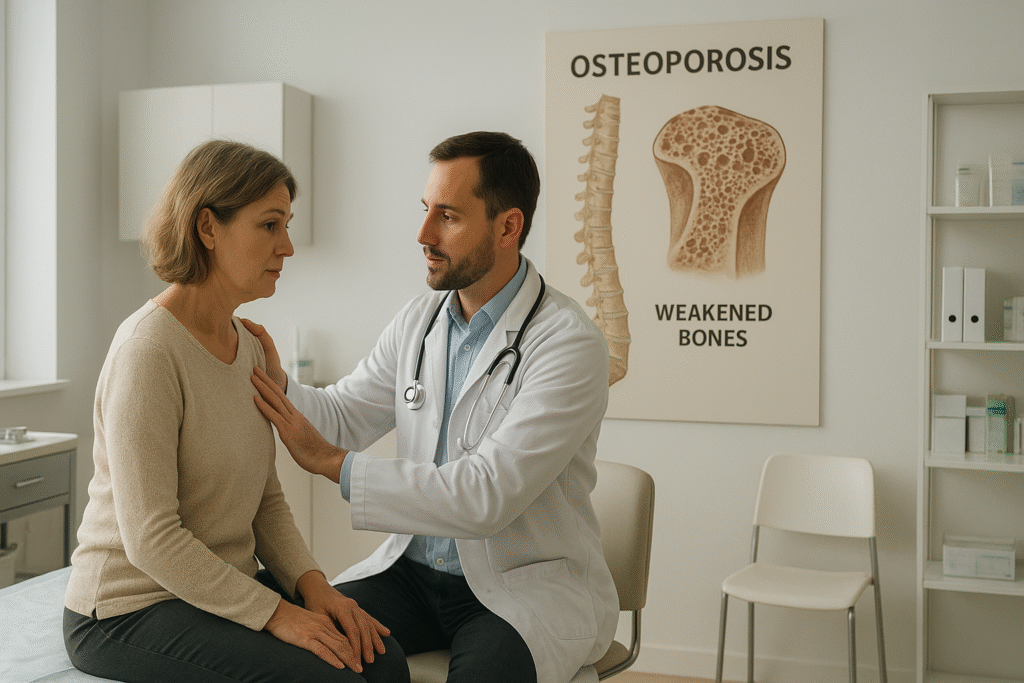
Osteoporosis is often seen as a condition affecting older adults — but that’s no longer the case. Today, increasing numbers of young professionals are being diagnosed with low bone density during routine check-ups. They appear healthy, yet their bones are gradually weakening, often without any noticeable symptoms.
This silent condition is progressing faster among adults in their 20s and 30s due to unhealthy lifestyle habits, stress, and nutritional deficiencies. If ignored, it can lead to frequent fractures, chronic pain, and long-term mobility issues.
Let’s explore the causes, early signs, and steps you can take to protect your bone health.
What Causes Osteoporosis in Young Professionals?
Osteoporosis is not just age-related. Modern lifestyle patterns play a major role.
1. Sedentary Lifestyle:
Long office hours and minimal physical activity weaken bones over time. Weight-bearing exercises are essential for maintaining bone density.
2. Poor Nutrition:
Skipping meals, relying on fast food, and low calcium or vitamin D intake reduce bone strength. Vitamin D deficiency is particularly common among indoor workers.
3. Stress & Hormonal Imbalance:
Chronic stress affects hormones like cortisol, impacting bone metabolism.
4. Excessive Caffeine & Soft Drinks:
High caffeine and aerated drinks reduce calcium absorption, gradually weakening bones.
Some individuals may also have genetic risks, thyroid imbalance, or underlying medical conditions that accelerate bone loss.
Early Symptoms of Osteoporosis
Osteoporosis is called a “silent disease” because symptoms appear late. Early signs may include:
• Frequent back pain
• Reduced height or slouched posture
• Weak grip strength
• Sudden fractures from minor falls or movements
Most people are diagnosed during routine bone density scans (DEXA scans) or after an unexpected fracture.
Why Early Action Matters
Bone loss begins early, but with timely intervention, it can be slowed or reversed. Strong bones reduce your risk of fractures, mobility issues, spinal problems, and chronic pain.
If you experience frequent aches, posture changes, or low Vitamin D, consult an Orthopedic Specialist in India. Experts at Aster Hospital offer advanced bone density evaluations, metabolic assessments, and personalised treatment plans.
How to Improve Bone Health Naturally
Most early-stage bone loss can be managed through simple habits:
1. Strengthen Your Diet:
Include calcium-rich foods (milk, paneer, nuts, leafy greens) and Vitamin D sources. Limit processed and sugary foods.
2. Stay Active:
Walking, jogging, yoga, and weight training help rebuild bone mass.
3. Get Sunlight Exposure:
10–15 minutes of sunlight daily improves Vitamin D levels.
4. Improve Posture:
Ergonomic adjustments at work protect your spine and bones.
Lifestyle changes, combined with medical guidance, significantly improve bone strength. For persistent bone loss, a specialist at Aster Hospital can recommend supplements or treatments tailored to your needs.
Final Thoughts
Osteoporosis is no longer limited to older people — it’s now affecting young adults due to lifestyle stressors and nutritional gaps. Early detection is the key to preventing long-term complications.
If your Vitamin D is low, or you experience frequent back pain, get a bone density assessment. With timely care and the right guidance, you can protect your bone strength and long-term mobility.