 : +91 1143517222 / 9953815574
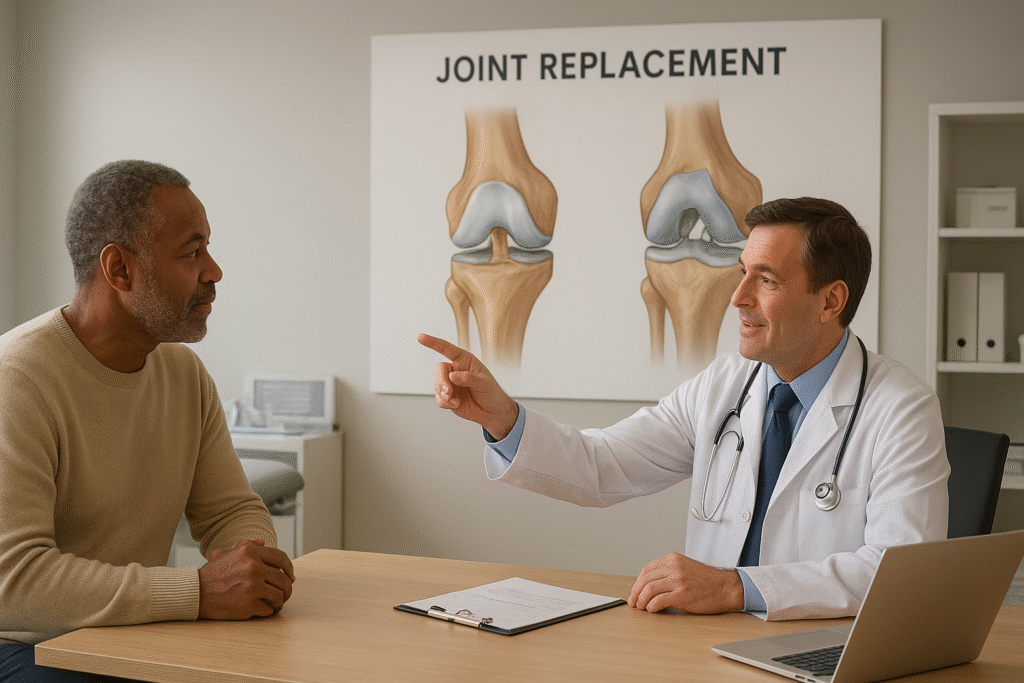
Joint pain was once associated with ageing, but today many young and middle-aged adults are seeking treatment due to injuries, arthritis, obesity, and long working hours. When pain becomes persistent and affects daily life, joint replacement emerges as one of the most effective long-term solutions.
Modern joint replacement techniques offer exceptional safety, precision, and mobility restoration — allowing patients to return to normal routines quickly.
Let’s understand the causes of joint damage, symptoms, and when replacement might be the right choice.
What Causes Joint Damage in Adults?
Joint problems are not limited to old age. Several factors contribute:
1. Osteoarthritis & Wear-and-Tear:
Early degeneration of joints due to irregular posture, long sitting hours, or chronic stress.
2. Sports or Work-Related Injuries:
ACL tears, meniscus injuries, and repetitive strain can damage joints permanently.
3. Obesity & Sedentary Lifestyle:
Excess weight increases pressure on knees and hips, accelerating cartilage wear.
• Genetic Predisposition:
Some people are naturally prone to arthritis and joint degeneration.
Without timely care, damaged joints can progress to severe pain, swelling, stiffness, and loss of mobility.
Early Symptoms of Joint Degeneration
Common signs include:
• Persistent pain in the knee, hip, or shoulder
• Swelling or stiffness
• Difficulty climbing stairs, sitting, or walking long distances
• Grinding sensation in joints
• Reduced mobility or instability
These symptoms often worsen gradually. Many people ignore them until everyday activities become difficult.
Why Early Medical Evaluation Matters
Early diagnosis allows doctors to prevent further deterioration. If pain persists despite medication, physiotherapy, or lifestyle changes, joint replacement may be recommended.
Orthopedic experts at Aster Hospital specialise in advanced knee, hip, and shoulder replacements using minimally invasive techniques — ensuring faster recovery and long-term relief.
When Is Joint Replacement Needed?
You may be a candidate for joint replacement if:
• Pain affects your daily activities
• Medications or physiotherapy are no longer effective
• Joint deformity or severe arthritis is visible
• Sleep is disturbed due to pain
• Mobility is significantly reduced
Joint replacement replaces the damaged portion with an artificial joint that functions like a natural one.
Benefits of Joint Replacement
• Long-lasting pain relief
• Improved mobility and flexibility
• Correction of joint deformity
• Ability to return to normal activities
• Enhanced quality of life
Modern implants last 20–25 years or more, making them a reliable option even for younger adults.
How to Support Joint Health Naturally
Even before surgery, or after recovery, simple lifestyle habits can help:
• Maintain healthy body weight
• Strengthen supporting muscles through physiotherapy
• Eat an anti-inflammatory diet
• Practise low-impact exercises like swimming or cycling
• Avoid overexertion and incorrect posture
Final Thoughts
Joint pain should not limit your lifestyle. With early diagnosis and modern medical care, you can prevent severe damage or choose joint replacement for permanent relief.
If you struggle with persistent joint pain, consult an Orthopedic Specialist in India. With expert evaluation and advanced technology at Aster Hospital, you can regain mobility, comfort, and confidence.